Chinese Money Plant Pests: Identification, Treatment and Prevention Guide
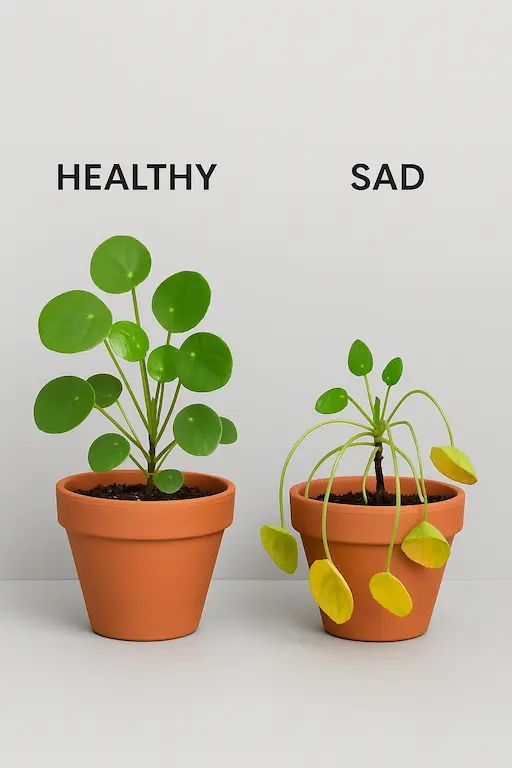
Discovering unwelcome visitors on your beloved Chinese Money Plant (Pilea peperomioides) can be distressing. Those tiny white bugs, mysterious spots, or sudden leaf damage indicate your plant is under attack. This comprehensive guide will help you identify exactly which pests are troubling your Pilea and provide effective, safe solutions to eliminate them and prevent future infestations.
Identifying Common Chinese Money Plant Pests
Early identification is crucial for successful pest control. Here are the most frequent culprits affecting Pilea plants:
Spider Mites: The Silent Leaf Destroyers
Appearance: Tiny red, brown, or yellow dots (almost invisible to naked eye)
Signs: Fine webbing between leaves and stems, yellow stippling on leaves
Damage: Leaves develop yellow spots, then brown and curl inward
Mealybugs: The Cotton-like Invaders
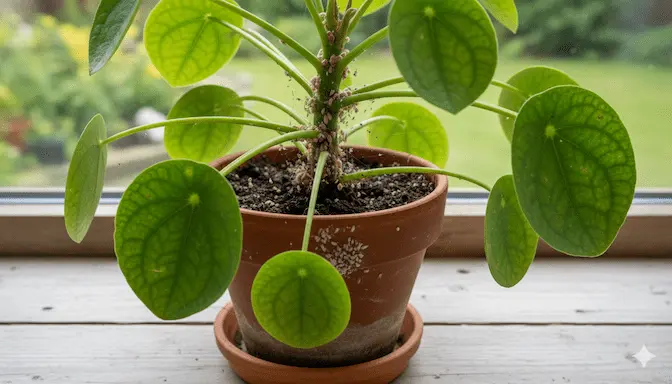
Appearance: Small, white, cottony masses in leaf joints and undersides
Signs: Sticky honeydew residue, sooty mold growth
Damage: Stunted growth, yellowing leaves, leaf drop
Fungus Gnats: The Annoying Fliers
Appearance: Small black flies around soil, tiny white larvae in soil
Signs: Adults flying when plant is disturbed, larvae in topsoil
Damage: Root damage in severe cases, mostly nuisance factor
Scale Insects: The Sticky Bumps
Appearance: Brown, gray, or white bumps on stems and leaf veins
Signs: Hard shell-like covering, honeydew secretion
Damage: Yellow spots, leaf drop, weakened plant
Step-by-Step Treatment Guide
Immediate Action: Quarantine and Assessment
- Isolate your plant immediately to prevent spreading
- Identify the pest using magnifying glass if needed
- Assess damage level – mild, moderate, or severe
- Choose treatment method based on pest type and infestation level
Natural Treatment Methods
Neem Oil Solution (All-purpose):
Mix 2 tsp neem oil, 1 tsp mild liquid soap, and 1 quart warm water. Spray thoroughly every 5-7 days for 3-4 weeks.
Insecticidal Soap Spray:
Use ready-made or create your own with 1 tbsp pure castile soap per quart of water. Test on one leaf first.
Alcohol Treatment for Mealybugs:
Dip cotton swab in 70% isopropyl alcohol and dab directly on mealybugs. Repeat every few days.
Chemical Treatments for Severe Infestations
When natural methods fail, these options are effective:
- Systemic insecticides for persistent scale or mealybugs
- Miticides specifically for spider mites
- Botanical insecticides like pyrethrin for immediate knockdown
Always follow label instructions and consider moving plant outdoors during treatment.
Pest-Specific Solutions
| Pest Type | Immediate Action | Long-term Solution |
|---|---|---|
| Spider Mites | Spray with water to dislodge, apply neem oil | Increase humidity, regular misting |
| Mealybugs | Alcohol swab treatment, insecticidal soap | Regular inspection, avoid over-fertilizing |
| Fungus Gnats | Yellow sticky traps, let soil dry completely | Bottom watering, soil cover with sand |
| Scale Insects | Manual removal with alcohol swab | Systemic insecticide, improved air circulation |
Prevention: The Best Defense
- Regular Inspection: Check leaves (especially undersides) weekly
- Proper Watering: Avoid overwatering that attracts fungus gnats
- Optimal Humidity: Maintain 40-50% humidity to deter spider mites
- Quarantine New Plants: Isolate new plants for 2-3 weeks
- Clean Leaves: Wipe leaves monthly with damp cloth
- Good Air Circulation: Use small fan or ensure proper spacing
Troubleshooting Common Symptoms
“What’s eating my Chinese Money Plant?”
If you see holes or chewed edges:
• Caterpillars or slugs (if outdoors)
• Large beetles (less common indoors)
• Previous damage that occurred before purchase
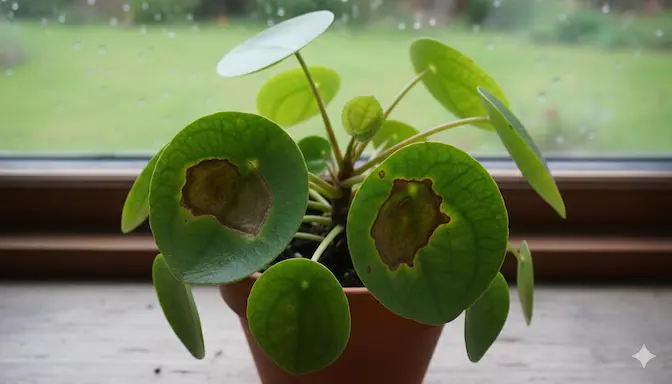
Brown Spots on Leaves
Not all spots mean pests! Consider:
• Edema from inconsistent watering
• Sunburn from direct sunlight
• Fungal issues from overwatering
• Mineral buildup from tap water
Tiny White Bugs
Most likely:
• Mealybugs (stationary, cotton-like)
• Springtails (jump when disturbed, harmless)
• Soil mites (fast-moving, usually beneficial)
When to Take Drastic Measures
Sometimes, the kindest solution is starting over:
- Severe root damage from fungus gnat larvae
- Complete defoliation with no signs of recovery
- Persistent infestation after multiple treatments
- Multiple pest types simultaneously
In these cases, consider propagating healthy leaves to save genetic material.
FAQ: Answering Your Pest Questions
Are the white bugs on my Pilea dangerous?
Most white bugs are mealybugs, which can seriously damage your plant if left untreated. However, some white insects like springtails are harmless. Proper identification is key.
How do I prevent pests from coming back?
Regular monitoring, proper plant care, and maintaining optimal growing conditions are your best defense. Healthy plants are less susceptible to pest infestations.
Can I use household products for pest control?
Yes! Diluted dish soap, isopropyl alcohol, and neem oil are effective against many common pests. Always test on a small area first.
Final Thoughts
Dealing with pests on your Chinese Money Plant can be frustrating, but with prompt identification and appropriate treatment, most infestations can be successfully managed. Remember that prevention through proper Pilea care practices is always easier than treatment. Regular monitoring and quick action will keep your plant healthy and pest-free for years to come.
Stay vigilant, and don’t hesitate to take action at the first sign of trouble. Your Chinese Money Plant will thank you with beautiful, healthy growth.