How to Make Pilea Bushy: 7 Proven Methods for a Fuller Chinese Money Plant
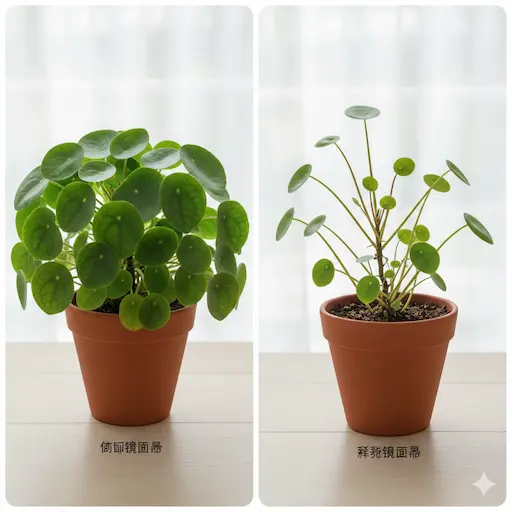
Looking at your leggy, sparse Pilea peperomioides and wondering why it doesn’t have that lush, bushy appearance you see in plant enthusiast photos? You’re not alone. Many Chinese Money Plant owners struggle with sparse growth, but the good news is that with the right techniques, you can transform your Pilea into the dense, beautiful specimen you desire.
This comprehensive guide covers everything from understanding why your plant grows leggy to practical steps you can take today.
Why Is My Chinese Money Plant Not Bushy?
Before we fix the problem, let’s understand what causes sparse growth in Pilea plants:
- Insufficient light – the most common cause of leggy growth
- Improper pruning – or lack of pruning altogether
- Nutrient deficiencies – particularly nitrogen for foliage growth
- Pot size issues – too large or too small containers
- Natural growth habit – some Pileas need encouragement to branch
Method 1: Strategic Pruning for Bushier Growth
Pruning is your most powerful tool for creating a bushy Pilea. Here’s exactly how to do it:
When to Prune
- Spring through early summer (active growth period)
- When plant is healthy and well-watered
- Avoid pruning during dormant winter months
How to Prune Correctly
- Use clean, sharp scissors or pruning shears
- Identify tall, leggy stems you want to shorten
- Cut just above a leaf node (where leaves emerge from stem)
- Angle cuts at 45 degrees to prevent water accumulation
- Remove no more than ⅓ of the plant at one time
Pro Tip: The nodes you leave after pruning are where new branches will emerge, creating that coveted bushy appearance.
Method 2: Optimize Light Exposure
Light is crucial for compact, bushy growth. Here’s how to get it right:
- Bright, indirect light is ideal – east-facing windows work well
- Rotate weekly to ensure even light distribution
- Supplement with grow lights if natural light is insufficient
- Avoid direct afternoon sun which can scorch leaves
If your Pilea is stretching toward light sources, it’s telling you it needs more illumination. Move it to a brighter location gradually to prevent shock.
Method 3: Proper Fertilization Schedule
Nutrients play a vital role in encouraging lush growth. Follow this feeding schedule:
- Growing season (March-September): Feed every 2-4 weeks with balanced liquid fertilizer
- Dormant season (October-February): Reduce to monthly or stop altogether
- Use half-strength solution to avoid fertilizer burn
- Look for NPK ratios like 10-10-10 or 20-20-20
Method 4: Encourage Pup Production
Pilea “pups” (baby plants that grow from the base) naturally create a fuller appearance. Encourage them with these techniques:
- Slightly root-bound conditions often stimulate pup production
- Ensure adequate light – pups need energy to develop
- Proper watering – consistent moisture without waterlogging
- Leave pups attached until they’re 2-3 inches tall for maximum fullness
Method 5: Pinching Technique for Branching
Pinching is a gentle alternative to pruning that encourages branching:
- Identify the growing tip of a stem
- Using thumb and forefinger, pinch off the very tip
- Remove just the top ¼ to ½ inch of growth
- Repeat on multiple stems for even bushiness
This method signals the plant to redirect energy to side shoots rather than vertical growth.
Method 6: Optimal Watering Practices
Proper hydration supports overall plant health and dense growth:
- Water when top inch of soil is dry
- Use well-draining soil to prevent root rot
- Ensure pots have drainage holes
- Consider bottom watering for even moisture distribution
Method 7: Correct Pot Size and Repotting
Container size significantly impacts your Pilea’s growth habit:
- Slightly root-bound plants often produce more pups and appear fuller
- Choose pots only 1-2 inches larger than the root ball when repotting
- Repot in spring every 1-2 years
- Use fresh, well-draining soil during repotting
Seasonal Care for Maintaining Bushiness
| Season | Key Actions | Special Considerations |
|---|---|---|
| Spring | Begin fertilizing, major pruning, repotting if needed | Best time for significant shape changes |
| Summer | Regular feeding, light pruning, pup management | Watch for heat stress, maintain humidity |
| Fall | Reduce fertilizing, prepare for dormancy | Gradually decrease water as growth slows |
| Winter | Minimal intervention, light maintenance only | Protect from cold drafts, provide adequate light |
Common Mistakes That Prevent Bushy Growth
- Overwatering – leads to root rot and sparse foliage
- Insufficient light – causes stretching and legginess
- Wrong fertilizer – high-phosphorus blends favor flowers over foliage
- Improper pruning – cutting at wrong places or wrong times
- Neglecting pup management – removing pups too early or not at all
Troubleshooting: Why Your Pilea Still Isn’t Bushy
If you’ve tried these methods and still aren’t seeing results, consider these factors:
- Age of plant – younger plants take time to fill out
- Genetic factors – some Pileas are naturally more compact than others
- Recovery time – plants need 4-6 weeks to respond to changes
- Overall health – address any underlying plant problems first
FAQ: Your Bushy Pilea Questions Answered
How long does it take to make a Pilea bushy?
With proper care, you should see noticeable improvement in 2-3 months, with significant bushiness developing within 6-12 months. Patience is key!
Can I make an old, leggy Pilea bushy again?
Yes! Even mature, leggy plants can be rejuvenated through strategic pruning and proper care. It may take longer, but it’s definitely possible.
Should I use rooting hormone on cuttings to create a bushier plant?
While not necessary, rooting hormone can help cuttings establish faster. For existing plants, focus on the methods outlined above rather than adding hormones.
Maintenance Routine for Long-Term Bushiness
- Weekly: Rotate plant, check soil moisture
- Monthly: Light pruning or pinching, fertilizing during growing season
- Seasonally: Assess overall shape, major pruning if needed
- Annually: Evaluate pot size, repot if necessary
Creating a bushy Pilea peperomioides requires understanding the plant’s growth habits and providing consistent, appropriate care. By implementing these seven methods and maintaining a regular care routine, you’ll be rewarded with a lush, full Chinese Money Plant that becomes the centerpiece of your plant collection.
Remember that plants respond gradually to changes, so be patient and consistent. Your efforts will pay off with a beautiful, bushy Pilea that showcases your plant care skills and brings joy for years to come.