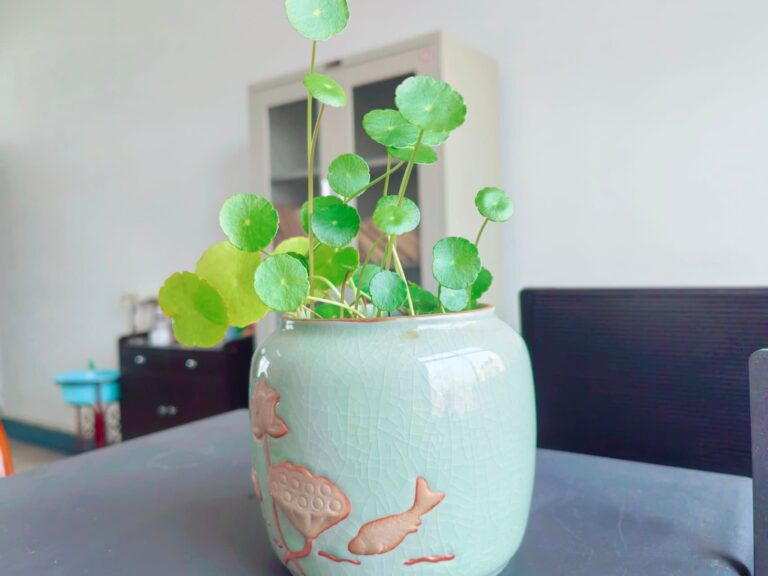
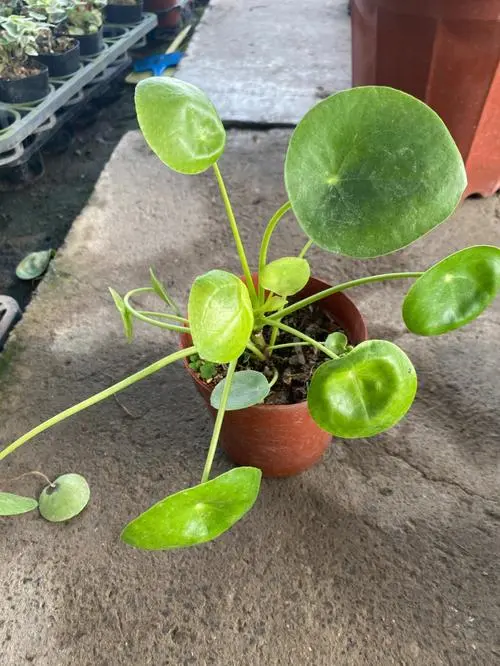
How to Make Your Pilea Peperomioides Look Its Best
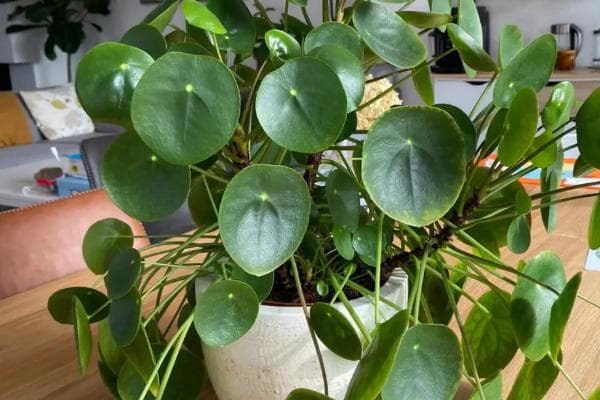
The Chinese Money Plant, scientifically known as Pilea Peperomioides, has become a beloved houseplant in American homes. But what makes this petite plant so incredibly popular?
Don’t let its delicate appearance fool you – beneath those circular leaves lies a remarkably resilient plant. Pilea thrives in both soil and water, adapting to various growing conditions with surprising vigor.
With its vibrant green, pancake-shaped leaves and graceful growth habit, it adds natural beauty to any space it occupies.
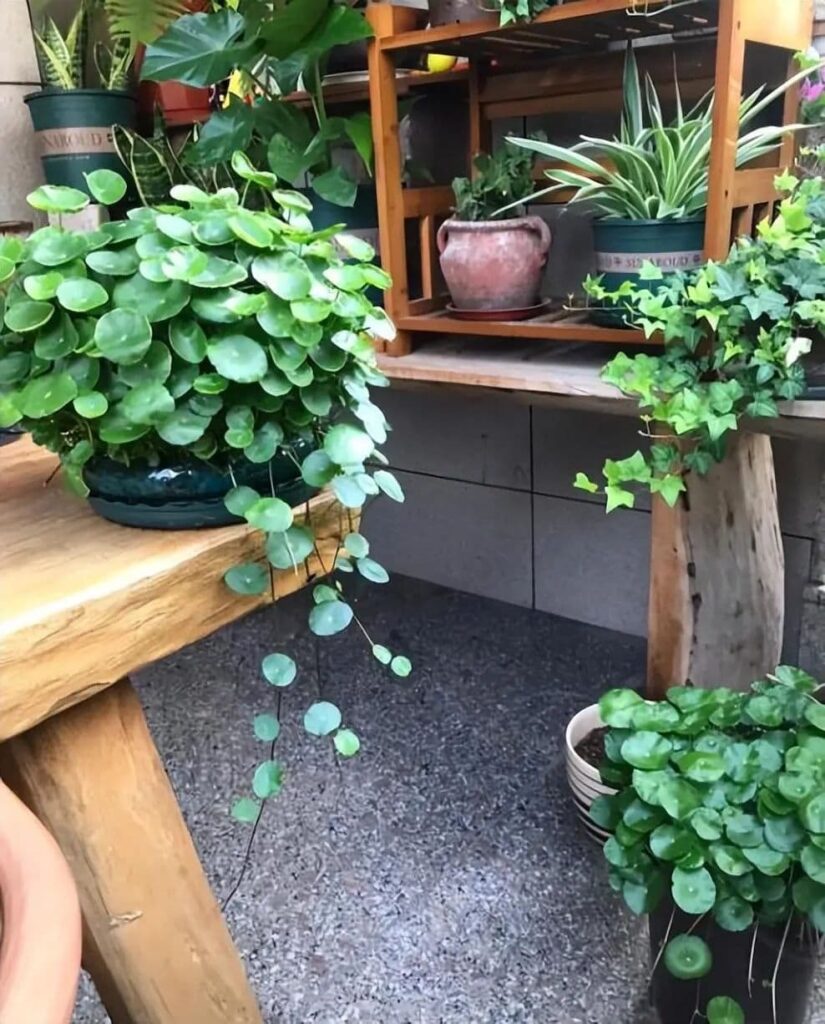
Many plant enthusiasts notice their Pilea looks perfect when first purchased, but over time develops issues like uneven growth, varying leaf sizes, yellowing, and generally messy appearance. Despite proper watering and fertilizing, the plant struggles, leaving owners frustrated and considering giving up.
If you’re struggling with your Pilea’s appearance, don’t despair. These challenges are common among new Pilea owners who are still learning the plant’s specific needs. The solutions are simpler than you might think.
Strategic Pruning for a Beautiful Pilea
As mentioned, Pilea possesses incredible vitality. But just how resilient is it?
With an established root system – or even partial roots – it can survive and thrive in water alone. So if your Pilea has lost its aesthetic appeal, don’t worry. Often, a simple pair of scissors and some strategic cuts can solve the problem.
Proper Pruning Technique: Using clean, sharp scissors, trim away all stems and leaves, leaving only the root system and approximately 1 cm of the plant above soil level.
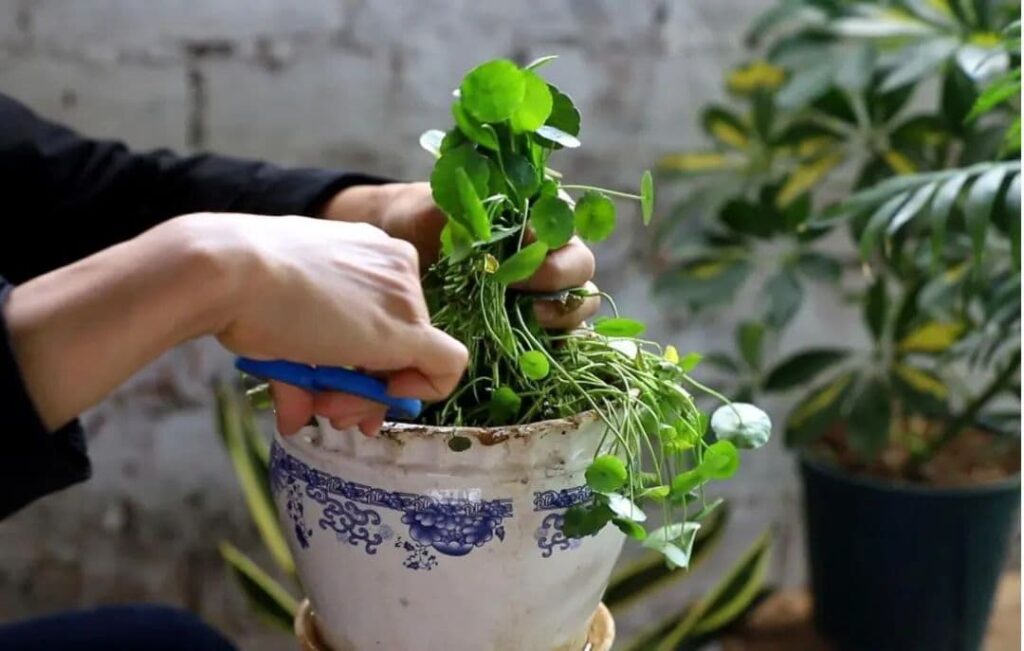
After pruning, place your Pilea in a well-lit location and ensure consistent moisture. After three days, begin incorporating a balanced nutrient solution with each watering. Within approximately 10 days, you should notice new Pilea shoots emerging from the roots – a promising sign of healthy regeneration.
From this point forward, proper care according to the plant’s natural habits will ensure continued beauty.
Beyond Basic Care: Advanced Pilea Maintenance
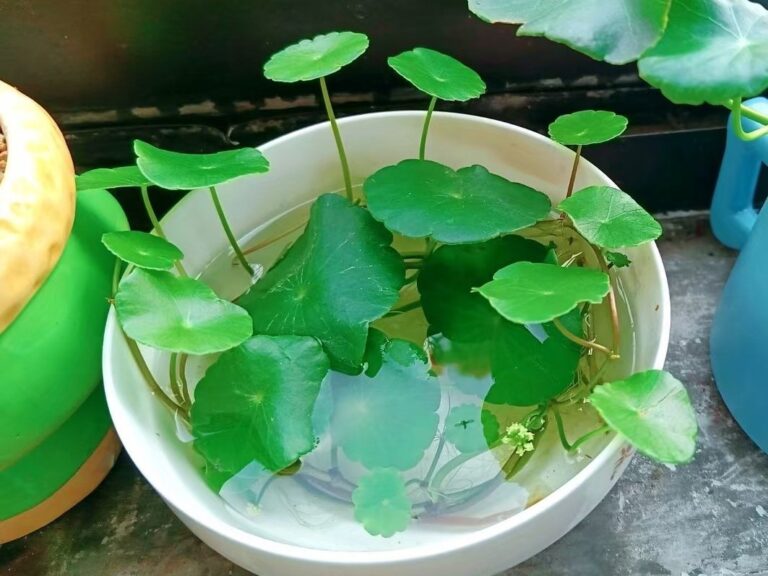
Pilea peperomioides adapts well to both hydroponic and soil cultivation. For those who’ve struggled with Pilea maintenance, beginners, or indoor gardeners seeking optimal results, I recommend semi-hydroponic cultivation (half soil, half water).
Benefits of Semi-Hydroponic Pilea Care:
- The Pilea’s root system tends to intertwine but remains relatively fine. Soil at the base provides stability and anchors the plant securely.
- Pilea stems are somewhat soft, topped with relatively large leaves that can cause leaning. Compared to pure hydroponics, soil provides additional nutrients, resulting in sturdier stems, reduced leaning, and more attractive plants.
- As a plant that appreciates consistent moisture, having both soil and water environments supports healthy growth while enhancing visual appeal.
For these reasons, many enthusiasts prefer semi-hydroponic cultivation over pure soil or pure water methods.
Semi-Hydroponic Planting Method:
While many retailers sell Pilea already potted, these often come at premium prices with less-than-ideal containers. For budget-conscious gardeners, purchasing unpotted Pilea and selecting your own attractive container is often preferable.
Planting instructions:
- Select a container without drainage holes
- Add appropriate soil to the bottom (nutrient-rich potting mix, peat soil, or loam work well)
- Position your Pilea and fill surrounding space with soil
- No initial fertilization is necessary
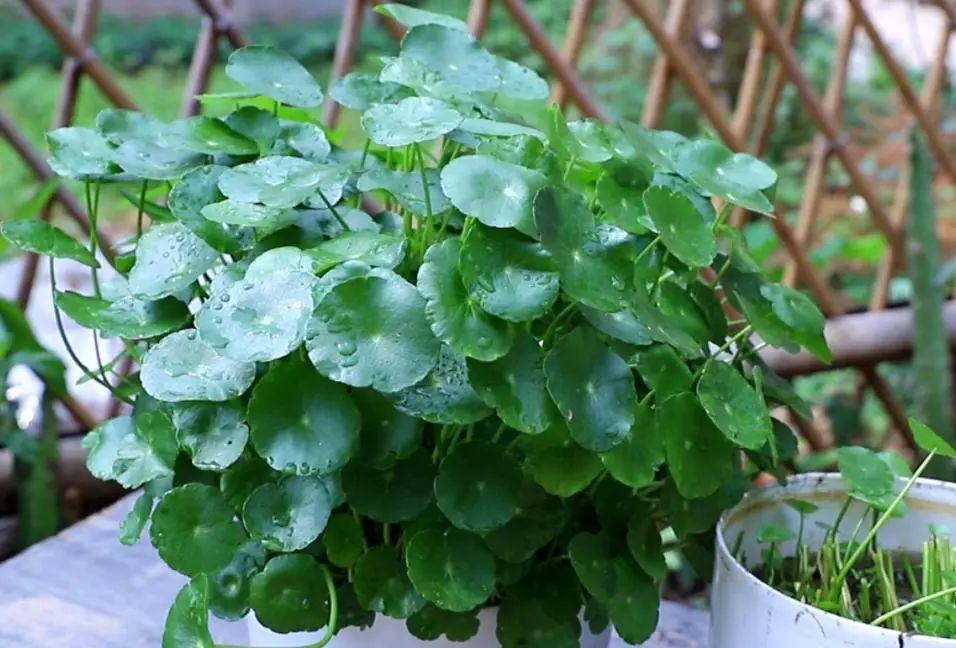
After securing your Pilea, add water. Initial cloudiness is normal and will clear as particles settle.
Maintain a 1:1 ratio of soil to water height during maintenance. Refresh water as needed and incorporate appropriate nutrient solutions.
Proper Care for a Beautiful Pilea
Despite its modest appearance, Pilea peperomioides has specific care requirements. Many owners treat it like ordinary foliage plants, placing it on coffee tables or entertainment centers, then wonder why it struggles. Understanding these key requirements is essential for success.
Light Requirements: While categorized as a foliage plant, Pilea appreciates bright, indirect light. With the exception of harsh summer sun that can scorch leaves, provide ample light year-round. sufficient light enables robust photosynthesis, allowing the plant to produce essential nutrients – something no fertilizer can fully replace.
Water Needs: Pilea prefers consistent moisture and has low drought tolerance. Never allow the plant to experience extended dry periods. If accidentally neglected, Pilea roots without access to water will cause immediate drooping in stems and leaves, with recovery often difficult. In severe cases, pruning and regeneration may be your only option.
Fertilization: Pilea benefits from regular feeding. Whether maintaining in pure water or semi-hydroponic conditions, incorporate balanced nutrient solutions regularly, especially for indoor plants. Since indoor conditions typically offer less ideal light and ventilation, supplemental nutrition strengthens root systems, promotes thick, vibrant leaves, reduces leaf drop, and ultimately enhances your plant’s aesthetic appeal.
With these techniques, your Pilea peperomioides can become the stunning, conversation-starting centerpiece you envisioned when you first brought it home.
We hope you found this guide helpful! Feel free to share these Pilea care tips with fellow plant enthusiasts.
Looking for more Pilea advice? Check out our complete Ultimate Care Guide or troubleshoot specific issues like yellow leaves or leaf drop.